%20Square%20Ad-01.jpg&w=640&q=75)
%20Square%20Ad%20-02.jpg&w=640&q=75)
in retrospect
As Skype winds down, its game-changing journey, full of triumphs and missteps, is revisited, showcasing the platform that once redefined global connectivity and left an enduring impact.

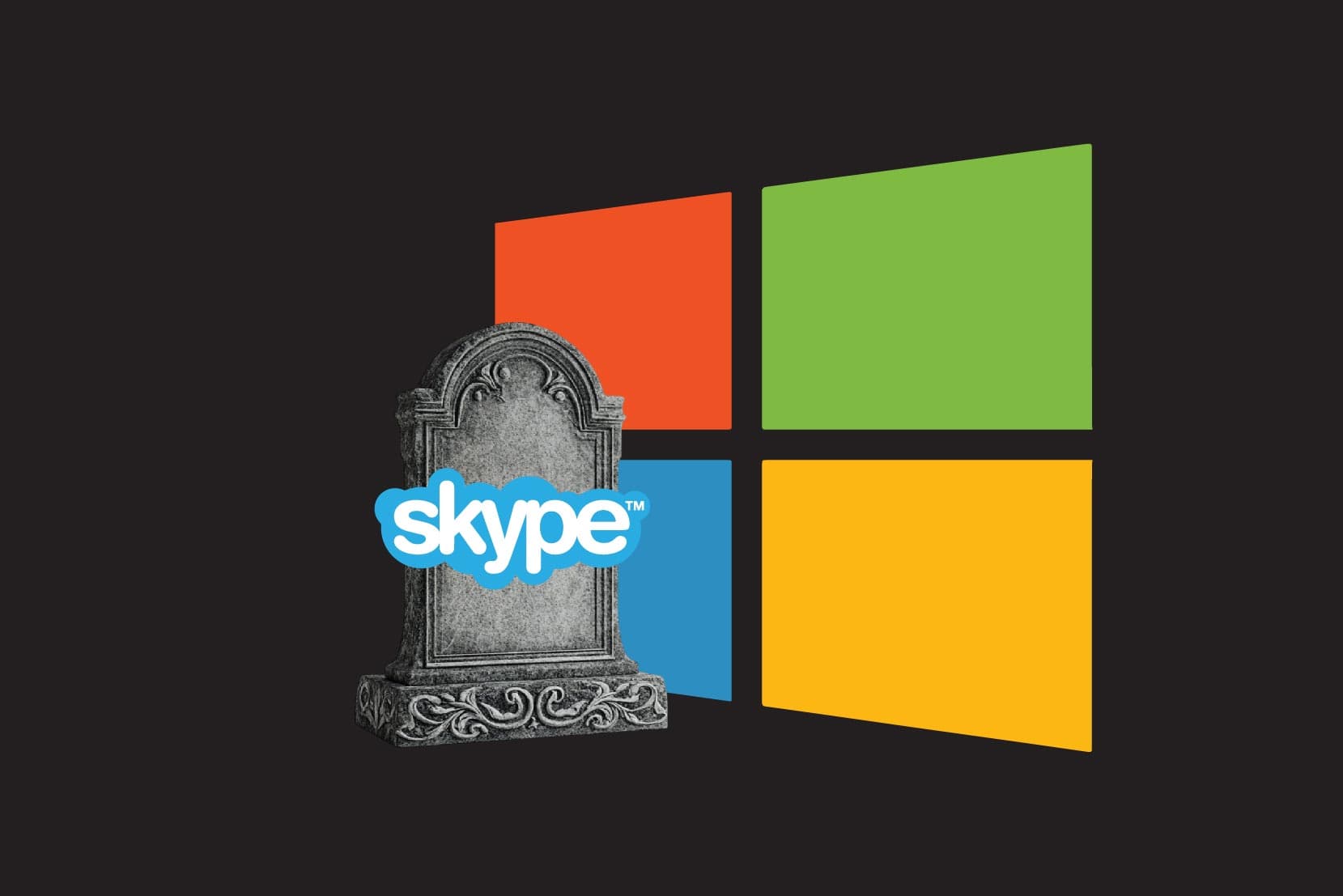
Illustrated By sk. yeahhia
7 April, 2025
As Microsoft prepares to retire Skype on 5 May 2025, the shutdown of this once-titanic platform marks the end of an era in online communication. Founded in 2003, Skype quickly rose to prominence, boasting hundreds of millions of users at its peak. It was at the forefront of redefining audio and video calls, disrupting the landline industry in a way that few had anticipated. However, despite its early success, Skype failed to adapt to the changing landscape of digital communication, and its decline serves as a cautionary tale for tech companies everywhere.
THE RISE OF SKYPE
Skype became a household name in the early 2000s, thanks to its innovative Voice over Internet Protocol (VoIP) technology. The platform enabled users to make free voice and video calls over the internet, making it the go-to option for anyone wanting to connect across borders. When Microsoft purchased Skype in 2011 for a staggering USD 8.5 billion, it appeared to be a strategic move to bolster its communication arsenal. The acquisition aimed to integrate Skype into Windows, Xbox, and other products, thereby enhancing Microsoft's position in real-time communication.
At its peak, Skype was synonymous with online communication, often informally referred to as a verb. Many businesses and individuals relied on it for video calls, conferences, and international correspondence. It represented an essential shift in how people interacted, allowing for free communication in a globalised world.

THE DECLINE OF SKYPE
Despite its illustrious beginnings, Skype's fall from grace began as Microsoft attempted to keep pace with new competitors and its initial simplicity and effectiveness suffered. The introduction of Microsoft Teams in 2016 marked a significant shift in the company’s strategy. While Teams was designed to compete with other collaboration tools like Slack, Skype, which was initially the star, became something of a ‘red-headed stepchild’.
Experts have suggested that Skype suffered from ‘feature creep’, where the addition of numerous features aimed at competing with other messaging apps diluted the platform's core functionality. Users grew frustrated with a convoluted interface that was no longer user-friendly, leading to a drop in its appeal. A pivotal redesign in 2017 saw its app store rating plummet from 3.5 stars to 1.5 stars, prompting even loyalist users to abandon the platform.
As Skype floundered, competitors like Zoom, WhatsApp, and Slack moved into spaces it once dominated. These platforms offered a more intuitive experience. For instance, Zoom became popular for its easy access. A user could join a call with a single link without needing an account, while Skype's log-in requirements hampered accessibility. This disconnect in user experience became particularly glaring during the COVID-19 pandemic, when demand for video conferencing surged but Skype's user base remained stagnant.
THE COVID-19 PANDEMIC: A CRUCIAL MISS
In early 2020, Skype was the most recognised video conferencing app, yet it failed to capitalise on the rising demand as the pandemic hit. During global lockdowns, users flocked to Zoom for its reliability and user-friendly interface. Comparisons between the two platforms were stark; while Skype struggled with connection quality and complicated features, Zoom offered straightforward functionality.
Reports indicated that while Skype's established users held steady initially, it did not experience significant growth during the pandemic. Microsoft Teams calls increased, showcasing a shift even among traditional Skype users. By April 2020, Zoom surpassed Skype in popularity, becoming a staple in both corporate and casual communication. As lives moved online, the pressing need for a reliable video conferencing solution highlighted glaringly, Skype's shortcomings.

THE TRANSITION TO RETIREMENT
As Microsoft prepares for Skype’s official retirement, users will have until 5 May to transition to Microsoft Teams. Users can either export their data or migrate their contacts and chats to Teams, reflecting the practical need for continuity. However, this shift symbolises a poignant loss of a platform that once revolutionised online communication. Microsoft is now entirely focused on Teams, which boasts approximately 320 million monthly active users compared to Skype’s dwindling numbers. In recent years, Skype's user base fell dramatically from around 150 million monthly users, at the time of acquisition, to around 23 million.
Microsoft officials have explained that the decision to retire Skype stems from a need to consolidate and simplify their communication offerings. They recognised that Skype’s foundational features, the ability to make voice and video calls, had not evolved alongside user expectations and advancements in technology. Their focus on Teams reflects modern workplace needs, integrating chat, file sharing, and video conferencing all in one platform.
FINAL REFLECTIONS
The story of Skype is filled with valuable lessons - a constant reminder of the need for adaptation in the tech landscape. Early successes can fade quickly if companies become complacent and fail to listen to user feedback. Skype’s decline underscores the importance of remaining customer-focused and agile in response to changing market dynamics, particularly in the face of increasing competition. The transition to Microsoft Teams is not just a shift in platforms, but a strategic decision to embrace a future where communication tools are integrated and streamlined.
As we bid farewell to Skype, it’s crucial to understand its impact on how we communicate today. While Skype will no longer be in operation, its legacy as a pioneer in VoIP and video calling will remain a significant chapter in the story of digital communication.

%20Square%20Ad%20-10.jpg&w=640&q=75)
%20Square%20Ad%20-11.jpg&w=640&q=75)
%20Horizental%20AD-01.jpg&w=3840&q=75)
