%20Square%20Ad-01.jpg&w=640&q=75)
%20Square%20Ad%20-02.jpg&w=640&q=75)
Climate Corner
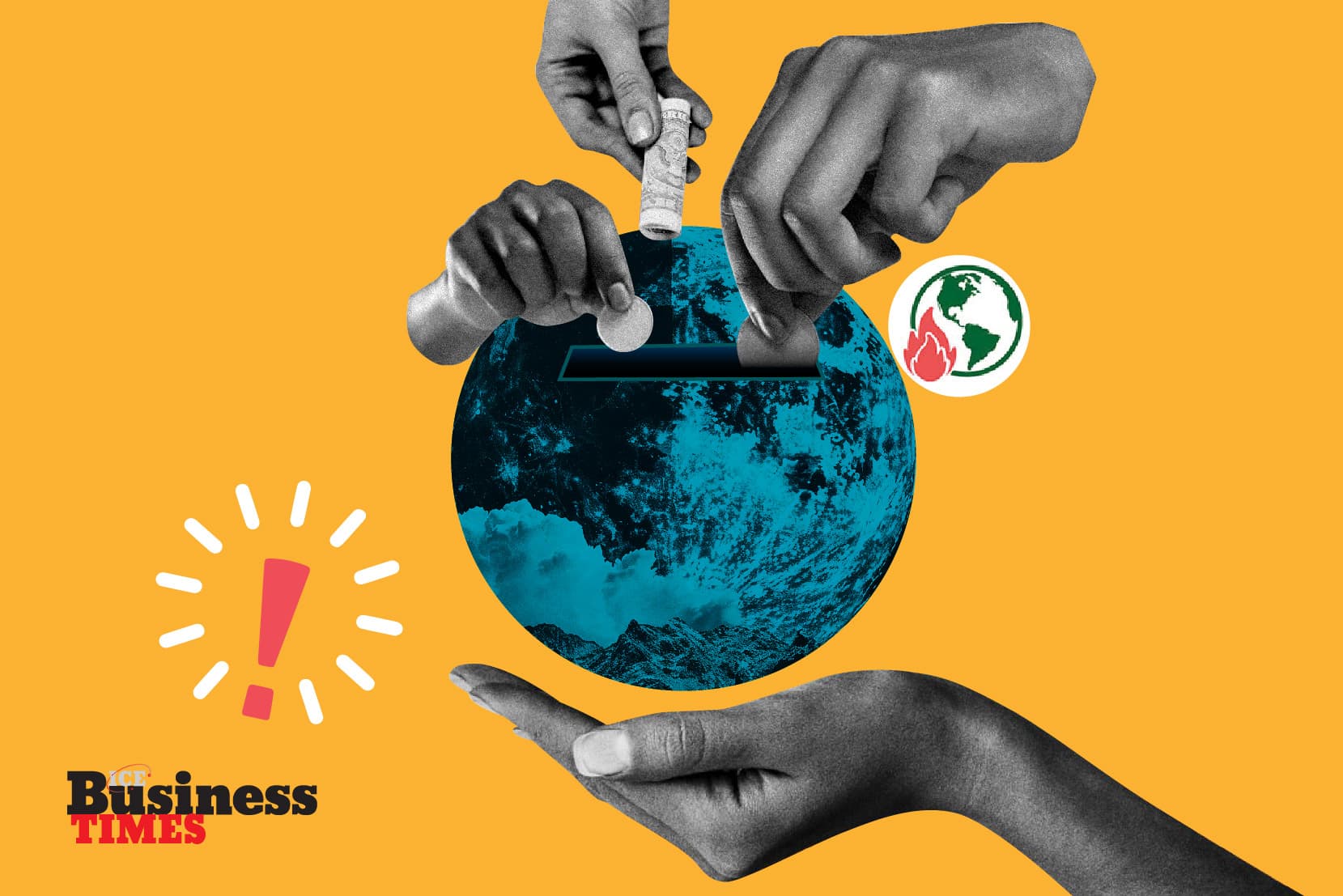
Exploring the possibility of crowdfunding as Bangladesh’s future climate finance frontier.

Illustrated By sk. yeahhia
21 June, 2025
In recent decades, financial innovation has witnessed a significant transformation as digital technologies intersect with grassroots participation. Traditional models of capital allocation have often struggled to serve underbanked populations, emerging entrepreneurs, or small-scale innovators. Amid this void, crowdfunding has emerged as a decentralised, participatory financial model that enables people to directly support causes, businesses, and solutions they find compelling.
Crowdfunding is the process of raising money from a ‘crowd,’ a sizable number of people who donate to a shared project or cause. Although digital platforms dominate the modern narrative, the roots of crowdfunding run deeper than most realise. In 17th-century Ireland, Jonathan Swift pioneered a philanthropic micro-lending model where donations from wealthy citizens supported impoverished families. Earlier still, medieval traders combined their funds to safeguard goods during transportation. These early examples show that crowdfunding is not a novel idea but rather a development of collective financial responsibility repackaged through digital technology.
Crowdfunding for Climate Action
Bangladesh, a nation with a long history of charitable giving, community service, and religious contributions, offers a culturally fertile ground for crowdfunding. Over the past few years, platforms like Ekdesh, Oporajoy, Cholo Shobai, BD Crowd, and BanglaFunding have emerged for both commercial and philanthropic purposes. As the country experiences a boom in mobile internet and fintech services, crowdfunding offers an accessible financial tool not only for underbanked entrepreneurs but also for grassroots climate innovators. This intersection is vital.
Bangladesh is among the most climate-vulnerable countries in the world. Millions are at risk from cyclones, salinisation, rising sea levels, and unpredictable weather patterns. However, mainstream financing is frequently unavailable for local climate solutions, such as solar irrigation, flood-resistant farming practices, plastic upcycling, and mangrove restoration. Crowdfunding provides a flexible alternative, allowing concerned citizens to directly fund climate action on the ground.
Crowdfunding Models for Climate Impact
Globally, crowdfunding operates through several distinct models, each catering to different financial motivations and risk appetites. Bangladesh is gradually experimenting with these models, though some remain underdeveloped due to regulatory or cultural limitations.
The most widely used form is charity-based crowdfunding, where individuals donate money without expecting any financial return. Given Bangladesh’s rich tradition of religious charity and social solidarity, this model has been instrumental in mobilising funds during floods, cyclones, or medical emergencies. Its climate potential can be used to help rebuild damaged areas, reforest mangroves, provide clean water, or build solar-powered shelters. This model excels at emotional appeal and quick mobilisation, particularly in times of climate crisis.
A transactional layer is introduced by reward-based crowdfunding, in which backers make contributions in return for non-cash rewards like a sample of the product or public recognition. It is well-suited for small green businesses creating sustainable goods. This approach can be used by entrepreneurs creating composting kits, biodegradable packaging, or solar home systems to test their ideas and raise awareness. By promoting climate-smart design and investing in eco-products, this model combines environmental impact and commercial appeal.
Lending-based crowdfunding, or peer-to-peer lending, allows individuals to loan money to others online, expecting repayment with interest. If regulated effectively, this model could finance small-scale green ventures such as off-grid solar startups, organic farms, or rural water purification services. It offers a good substitute for traditional banking, particularly for low-income and environmentally conscious business owners without access to official credit.
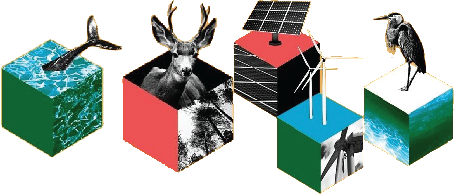
The most complicated but potentially revolutionary model is equity-based crowdfunding, in which investors exchange their money for stock in the company. Though currently absent in Bangladesh, this model could energise startups working in renewable energy, climate-tech, or sustainable construction. By enabling small investors to support green innovation, equity crowdfunding could drive long-term climate resilience and inclusive economic growth.
The most complicated but potentially revolutionary model is equity-based crowdfunding, in which investors exchange their money for stock in the company. Though currently absent in Bangladesh, this model could energise startups working in renewable energy, climate-tech, or sustainable construction.
Gaps and Guardrails
The same obstacles that hinder crowdfunding's overall growth in Bangladesh also limit its potential to address climate change: lax regulatory frameworks, apprehension about online fraud, and a lack of financial literacy. Public reluctance, exacerbated by public scandals such as certain e-commerce failures, continues to be a significant obstacle, particularly in an ecosystem that depends on social trust and open governance. Yet the climate case makes the need for reform even more urgent.
With traditional financing often inaccessible or slow-moving, crowdfunding can support communities facing imminent climate risk. Institutional collaborations can provide due diligence, increase public trust, and facilitate co-funding between crowdfunding platforms and NGOs, disaster response organisations, or environmental ministries. Verified climate campaigns could be hosted with escrow-backed fund release systems, ensuring accountability.
Opportunities for Reform
Despite these challenges, crowdfunding holds transformative potential for Bangladesh's financial ecosystem. Reforming regulations is an essential first step. Bangladesh could adopt a regulatory sandbox model, as seen in Malaysia and India, to test and refine policies governing crowdfunding. Such frameworks would eventually direct strong legislation by permitting experimentation under controlled conditions. It is also critical to establish trust through institutional partnerships.
Crowdfunding platforms could work with government agencies, microfinance organisations, or NGOs to verify projects and increase their legitimacy. Reluctant backers would be encouraged by official endorsements or co-funding from reliable organisations. Mandatory project verification and disclosure standards should also be enforced. Campaigns must be audited by a third party, and money must be kept in escrow accounts and released only after verified milestones are met. Furthermore, transparency dashboards, featuring real-time campaign updates and financial statements, could further build public confidence.
By coordinating the development of policies, institutional accountability, public trust, and technology infrastructure, the nation can establish a transparent and inclusive climate crowdfunding ecosystem.
Crowdfunding can also provide capital to industries that are frequently shut out of official financing. Funding models that are more inclusive and accessible and catered to their specific needs could be beneficial for women entrepreneurs in rural areas, climate-tech innovators, agritech startups, healthcare initiatives, and the creative industries.
From Potential to Practice
Although crowdfunding isn't a cure-all, it has the potential to be an integral part of Bangladesh's changing digital financial scene. By coordinating the development of policies, institutional accountability, public trust, and technology infrastructure, the nation can establish a transparent and inclusive climate crowdfunding ecosystem. Through this approach, Bangladesh can transform crowdfunding from a crisis relief tool into a driving force for climate resilience, rural innovation, and sustainable economic empowerment. A straightforward yet potent notion lies at the core of this change: if people band together to invest in a better future, they can move mountains - or stop rising seas.

%20Square%20Ad%20-10.jpg&w=640&q=75)
%20Square%20Ad%20-11.jpg&w=640&q=75)
%20Horizental%20AD-01.jpg&w=3840&q=75)
